

⸻
Sliplining
A Simple, Proven Approach to Pipeline Renewal
Sliplining is one of the most established trenchless rehabilitation methods—providing a reliable, cost-effective way to restore deteriorated pipelines while minimizing excavation and disruption.
⸻
A Proven Method for Pipeline Rehabilitation
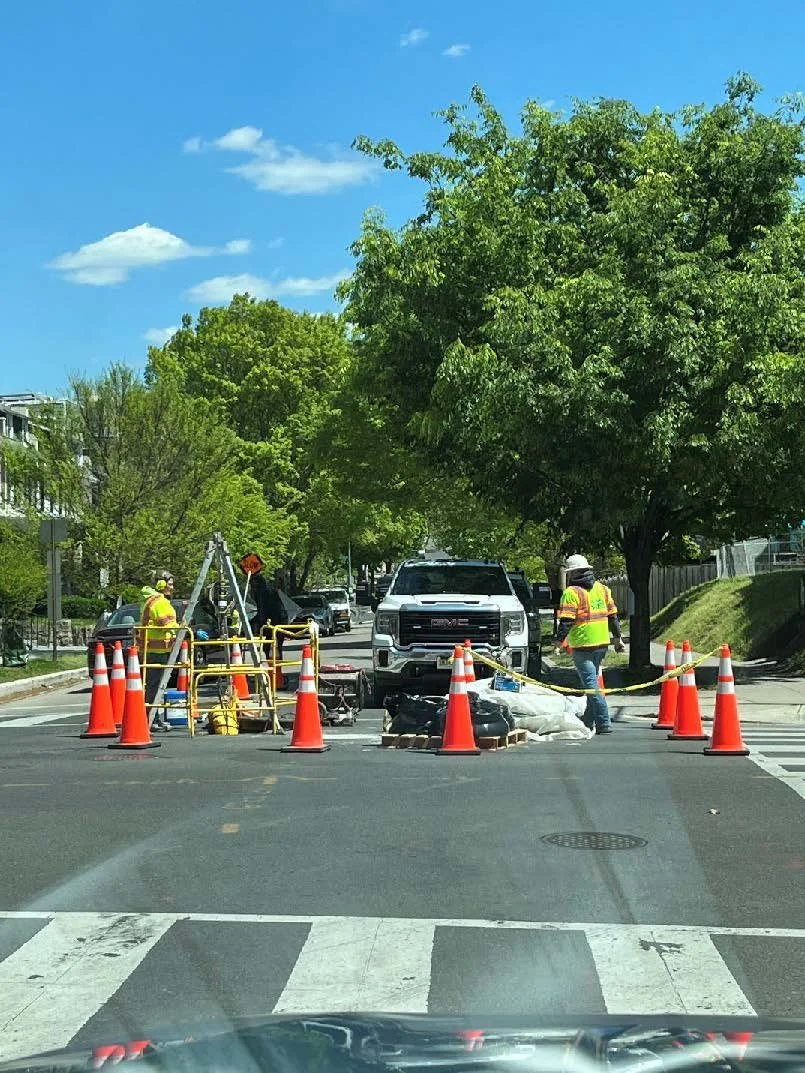
Sliplining is one of the oldest trenchless technologies, but it remains widely used today because of its simplicity, reliability, and effectiveness.
The process involves inserting a new pipe within an existing deteriorated pipeline creating a renewed, structurally sound system while avoiding the need for full excavation.
Spiniello has completed sliplining projects across a wide range of applications, including:
Sanitary sewer systems
Potable water pipelines
Wastewater collection systems
Industrial pipelines
This versatility makes sliplining a dependable solution for extending the life of aging infrastructure.
⸻
Comprehensive Sliplining Installation Approach
Sliplining projects require careful planning to ensure proper fit, alignment, and long-term performance.
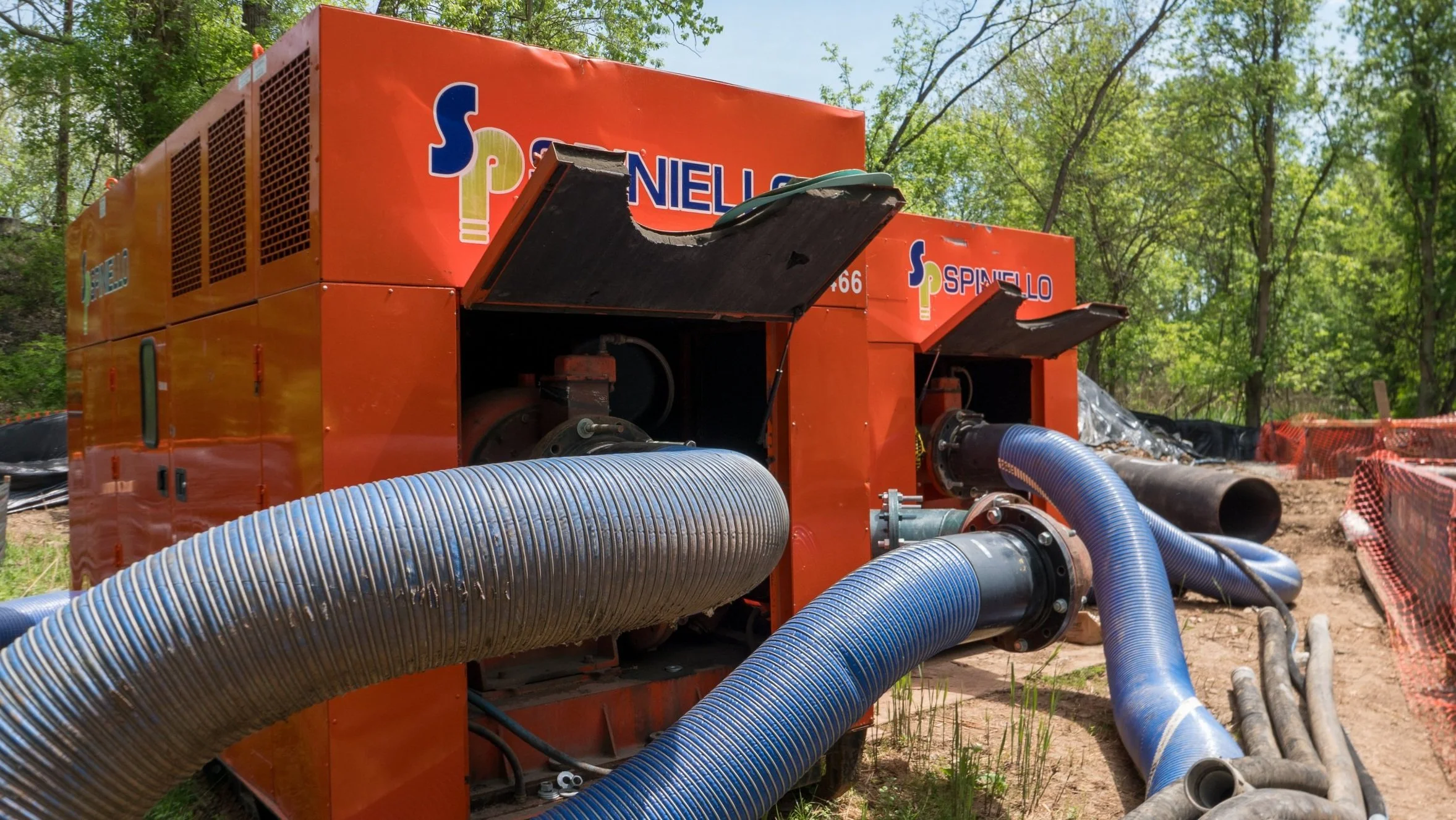
Spiniello delivers full-service sliplining solutions, including:
Access Excavation – Creating entry and exit points for pipe installation
Pipe Preparation – Staging and assembling new pipe above ground
Pipe Installation – Pulling or winching the new pipe through the host pipeline
Material Selection – Installation using PVC, HDPE, and other suitable materials
Annular Space Grouting – Sealing the space between pipes to prevent migration and leakage
Final Inspection & Restoration – Ensuring system integrity and restoring disturbed areas
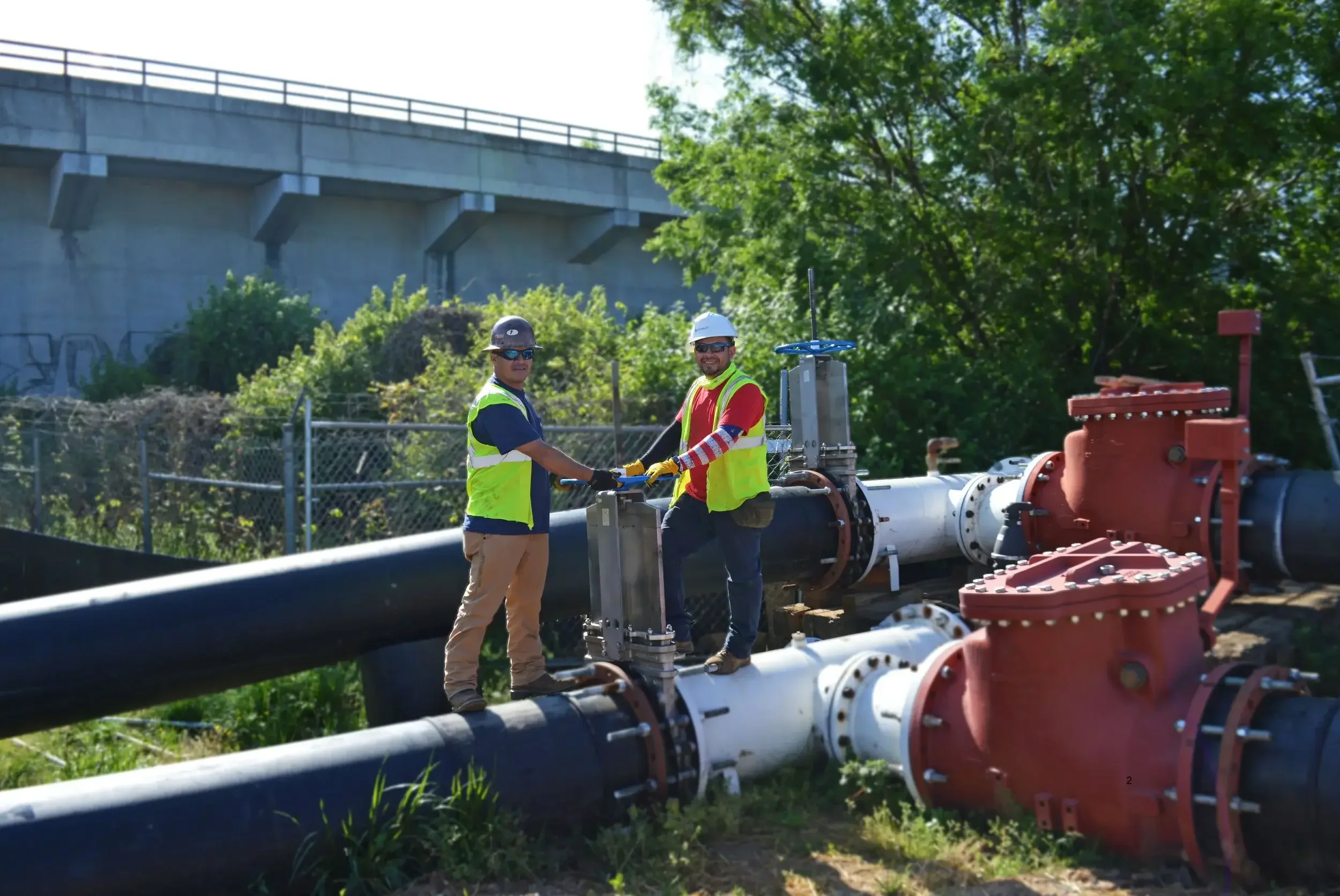
This structured approach ensures consistent, watertight installations across a variety of system types.
⸻
How Sliplining Works
Sliplining installs a new, smaller-diameter pipe inside an existing host pipe.
The process typically includes:
Excavating access points at key locations
Inserting and pulling the new pipe through the existing pipeline
Positioning the pipe along the full alignment
Sealing the annular space between the host pipe and new pipe using a watertight grouting solution
Once installed, the new pipe creates a continuous internal lining that restores system performance and protects against future deterioration.
⸻
Efficient Rehabilitation with Minimal Disruption
Sliplining provides a cost-effective and low-impact alternative to traditional pipe replacement.
Key advantages include:
Reduced Excavation – Minimizes surface disruption to roadways and communities
Cost Efficiency – Lower construction and restoration costs compared to open-cut replacement
Improved System Performance – Smooth interior surface enhances flow characteristics
Corrosion Protection – New pipe isolates flow from deteriorated host pipe
Environmental Benefits – Reduced construction footprint and material impact
While sliplining reduces internal diameter, it often improves hydraulic performance due to the smoother pipe interior.
⸻
Selecting the Right Rehabilitation Method
Sliplining is most effective in pipelines with sufficient diameter, stable alignment, and conditions that allow for internal pipe insertion.
Spiniello evaluates pipeline condition, capacity requirements, and site constraints to determine whether sliplining is the right solution or if alternative methods such as CIPP, pipe bursting, or geopolymer lining are better suited.
Our multi-method expertise ensures each project is matched with the most effective approach.
⸻
Why Choose Spiniello
Sliplining may be straightforward in concept—but successful execution requires experience, planning, and precision.
Spiniello combines trenchless expertise, proven installation methods, and a century of infrastructure experience to deliver reliable rehabilitation solutions across water and wastewater systems.
We don’t just install pipe.
We restore performance and extend the life of critical infrastructure.
⸻
Restore Your Pipeline with a Proven Solution
Spiniello delivers sliplining solutions that extend infrastructure life while minimizing disruption to communities.